

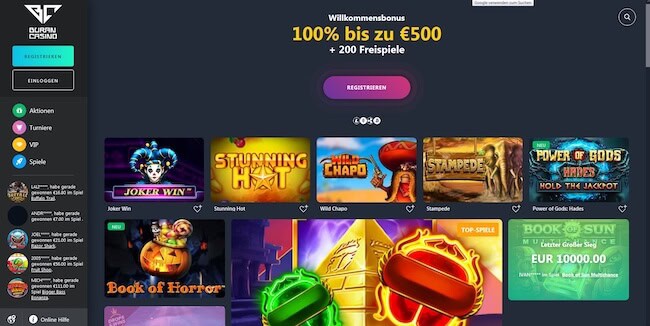
Protection in a mobile casino app doesn’t represent a single feature. It’s a layered system that integrates encryption, identity verification, payment safeguards, and ongoing monitoring. At casino buran, we treat mobile security as an ongoing process, not a one-time setup. French players look for a gaming environment that protects their funds and personal data. This article details the technical and practical layers securing the Buran Casino app: how it manages data, validates users, processes transactions, and addresses threats. Knowing how these mechanisms work helps you make informed choices and utilize the platform with confidence.
Reasons Mobile Casino Security Counts in France
France features one of Europe’s most structured online gambling markets. Regulatory oversight sets clear expectations, but players still need to confirm that the app they download is legitimate. We build the Buran Casino mobile experience with those expectations in mind. A casino app handles sensitive operations: account creation, deposit processing, withdrawal requests. If any step is poorly protected, the result can be economic loss or identity theft. For French players, local data protection rules introduce another layer of responsibility. We handle every session as a high-risk transaction and implement controls that go beyond basic compliance. Security isn’t just a technical checklist; it’s part of the trust we establish with players on Android and iOS.
Protected Payment Processing on Mobile
Deposit and Withdrawal Flows
Payment data is managed differently from ordinary game data. We do not retain full card numbers on the mobile device. When you register a payment method, the app keeps only a token that refers to the method on our payment provider’s secure vault. This token is unable to be reversed into the original card number. Deposits are processed through PCI DSS compliant channels, and the app never receives raw card data in plain text. For withdrawals, we validate identity and payment ownership before releasing funds. In France, players may employ several regulated payment methods, and each integration must undergo our own security review. We monitor unusual patterns such as rapid deposit attempts or mismatched device locations, which can signal automated fraud. If a transaction appears suspicious, we pause it for additional verification.
Withdrawal requests receive extra scrutiny because they transfer funds out of the ecosystem. We demand identity verification before a first withdrawal, and we may reapply it for large amounts or when account details change. This verification usually includes a government-issued document and proof of the payment method. We handle those documents in a secure environment and remove them after the check is done. Our risk team assesses withdrawal destinations for signs of money laundering or account takeover. If a withdrawal is submitted from a new device, we may retain it briefly and ask the player to validate the request through email or multi-factor authentication. These delays aren’t meant to inconvenience you; they stop unauthorized transfers and protect the money in your account. French players gain from consistent application of these rules.
Permission Requests and Data Protection
A safe casino app should require only the permissions it needs. The Buran Casino app requests access to storage, notifications, and sometimes camera or biometric sensors for identity verification. We do not ask for contact lists, call logs, or location data unless a specific feature demands it and the player has agreed. Each permission is described in context. On Android and iOS, players can revoke permissions at any time through system settings. The app operates for core gameplay even when optional permissions are denied. We also reduce background activity to minimize the amount of data gathered when the app is not open. Privacy controls allow you to manage marketing preferences and limit how your activity is used for personalization. Clarity about permissions is part of security—unnecessary access creates risk.
We also adhere to data minimization on mobile. The app collects only the information required to deliver the service, meet legal obligations, and improve performance. We do not trade personal data to third parties. We restrict analytics to aggregated patterns where possible, and we remove identifying details before sharing reports with partners. On iOS, we respect App Tracking Transparency prompts and do not ask tracking permission unless there is a clear benefit that we clarify beforehand. On Android, we restrict advertising identifiers and offer players a simple way to renew them. These choices lower the amount of personal data that could be compromised in a breach. For French players, this aligns with the same values of privacy that are enshrined in European data protection law. Security and privacy are complementary, not competing goals.
Authentication and Account Protection

Account security starts ahead of you make a deposit. We mandate a secure password and implement complexity requirements when registering. The application also offers multi-factor authentication for members desiring an additional verification layer. Once activated, a one-time code is required alongside the password. We avoid storing plain-text passwords; alternatively we scramble them via an adaptive algorithm. In the event that a database gets breached, the original passwords remain unreadable. Session tokens are short-lived and tied to the device. Upon signing out or are inactive for a set period, the application invalidates the token. This reduces the timeframe for a hijacked session to be reused. Our support team may also terminate active sessions remotely if a player reports a lost phone.
We also bind sessions to device characteristics. When you log in from a new phone or tablet, we may ask for additional verification. An intruder with a stolen password can’t use it on unfamiliar hardware. We track failed login attempts and provisionally lock accounts after repeated failures. This lockout blocks brute-force guessing. Should a player travel or changes network, our risk engine matches the new context with recent behavior. Legitimate players can verify their identity quickly, while automated attacks are blocked. We do not disclose whether an email address exists during login errors, since that would aid attackers narrow their targets. Alternatively, we show a generic message and provide recovery options through the registered email. Such measures keep accounts accessible to real owners and difficult for intruders to compromise.
The way Buran Casino Encrypts Your Data
Transport Layer Security
The initial security barrier you face when launching the Buran Casino app is transport encryption. We apply modern TLS protocols over every connection between the app and our servers. That means login credentials, game actions, and payment details are scrambled as they travel. An outside observer cannot decipher the data even if the traffic is captured. We deactivate outdated cipher suites and require perfect forward secrecy, so that a stolen key can’t decrypt past sessions. The app will not connect over plain HTTP. For players in France on public Wi-Fi or mobile networks, this encryption eliminates the easiest interception point. We also cycle keys and oversee certificate validity to avoid silent failures that could expose a session.
Pinned Certificates and Key Handling
Certificate pinning introduces a second layer. Instead of trusting any certificate issued by a public authority, the Buran Casino app verifies a specific digital certificate under our control. This prevents man-in-the-middle attacks when a malicious actor presents a fake certificate. We refresh pinned certificates through controlled app releases to avert unexpected breakage. Key management follows hardware-backed storage where feasible, ensuring private keys outside the app’s user-accessible memory. On iOS we employ the secure enclave; on Android we trust the Keystore system. This lowers the risk of key extraction even using a compromised device. We also isolate cryptographic operations from normal app processes, so a bug in one component cannot easily spread to credential storage.
Encryption does not stop once data hits our servers. We also protect sensitive records at rest. Player profiles, payment tokens, and identification documents are safeguarded using AES-256 or equivalent standards. Disk-level encryption offers another barrier versus physical theft of server hardware. Access to these encrypted records is limited through role-based controls. Only a small number of staff can view personal information, and every access event is tracked. For the mobile app, we retain limited data locally on the device. Any locally cached credentials or session tokens are kept in protected storage as opposed to shared preferences. This minimizes the impact of a device-level compromise. We frequently review these controls to ensure that encryption keys and access policies remain aligned with current best practices.
Application Security, Updates, and Security Response
The first step in maintaining app integrity is downloading from an official source. Unauthorized copies may be changed to carry malware or keyloggers. We digitally sign our app packages and check for tampering on startup. If the app detects that its code has been modified, it blocks normal login flows and guides the player to install again from a reliable source. Upgrades are distributed through authorized app stores for French users. We deploy security patches apart from normal feature updates as required. Our security response team watches for emerging attack patterns and modifies protections without awaiting a scheduled release. Players are notified of critical security updates through in-app messages. This loop of authentication, tracking, and fixing keeps the app resilient against known and emerging mobile threats.
How Players Can Act to Stay Safe
Security is a shared responsibility. We deliver technical controls, but player behavior also matters. Choose a unique password for your Buran Casino account and avoid reusing it across other services. Enable multi-factor authentication if your device allows it. Ensure your operating system updated, because many mobile attacks exploit old software vulnerabilities. Avoid downloading the app from third-party websites or unofficial marketplaces. Never share verification codes with anyone, even if the request looks to come from support. If you connect to public Wi-Fi, think about a trusted VPN, though the app already protects traffic. Monitor your account activity and reach out to support immediately if you see a login you don’t identify. These habits minimize risk at the individual account level and supplement the protections integrated into the app.